
Pellet Stove Fuel
Sep
Pellet Stove Fuel: What to Buy, How It Burns, and How to Stock It
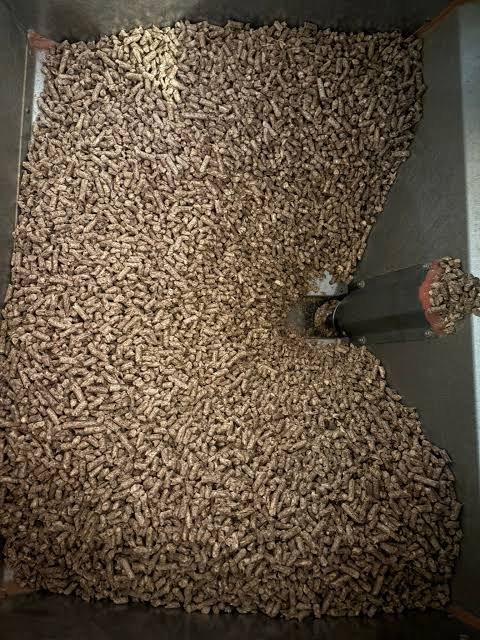
Pellet stove fuel is not firewood in a small bag. It is a manufactured fuel: dry sawdust compressed into uniform cylinders so an auger can feed it, a fan can burn it, and a thermostat can hold a room steady. If the pellets are wet, dirty, or full of fines, the stove does the opposite of what you bought it for.
What pellet stove fuel is made of
Good heating pellets are almost always mill residue — sawdust and shavings from lumber and wood-products plants — dried, ground, and pressed. Lignin in the wood acts as the binder. You do not want glue, oil, paint, or random yard waste in the mix.
Two families show up in Canadian and U.S. hoppers:
- Softwood pellets (spruce, pine, fir and similar). Easy to light, high heat, very common from northern mills.
- Hardwood pellets (oak, maple, birch and blends). Denser, often a longer coal bed. Some stoves prefer one over the other.
Bark in the feedstock raises ash. That is why premium bags advertise bark-free or kiln-dried sawdust.
Do not treat BBQ / smoking pellets as house fuel unless the stove maker allows it. Grill pellets are built for flavour. Stove fuel is built for heat, low ash, and a clean auger.
The numbers that actually matter
Ignore the word “premium” until you see specs. In Canada the technical reference is CSA ISO 17225-2 (the same graded-pellet standard used internationally). Residential owners should aim at the tight end of those grades.
| Spec | Why it matters | What you want for a home stove |
|---|---|---|
| Moisture | Wet pellets hiss, steam, and make clinkers | About 5–10% (many good bags sit 5–8%) |
| Ash | Ash is vacuuming, pots, and shutdowns | Under 1%; A1 grade is ≤ 0.7% |
| Heat value | Heat per dollar | Around 8,000+ BTU/lb or ≥ 18.6 MJ/kg |
| Fines (dust in the bag) | Dust jams augers and makes smoke | As little loose powder as possible |
| Durability | Soft pellets crumble in the hopper | Hard, glossy cylinders that don’t powder when you squeeze a handful |
| Diameter | Feed system fit | Usually 6 mm (sometimes 8 mm) |
ENplus and Canada’s CANplus programs certify those traits through the supply chain. They are voluntary in Canada, but a bag with a real grade beats a mystery skid.
How the stove uses the fuel
A pellet stove is a small automated furnace:
- Pellets drop from the hopper into the burn pot.
- An igniter starts the pile.
- A combustion fan meters air.
- An exhaust fan pulls smoke out the vent.
- Ash falls into a pan you empty.
Fuel quality shows up in four places: how often you empty ash, whether the pot grows a hard clinker, whether the room holds temperature, and whether the stove faults mid-night. High-ash or high-moisture fuel can look cheap on the pallet and expensive in service calls.
How much fuel a winter takes
Use is driven by house tightness, outdoor temperature, stove size, and set point. A common planning range for a primary pellet stove in a Canadian or northern U.S. home is 1–2 tons per heating season. A poorly sealed house, a big open plan, or a Prairie winter can run higher. A stove used as backup may need only a few bags.
One short ton is 2,000 lb — about fifty 40 lb bags, which is why bulk pallets are sold that way.
Rough cost context: retail heating pellets often land around $6–$10 per 40 lb bag or $300–$400 per ton, with delivery extra. Bulk and pickup beat that. Prices swing with region and season.
Bags, pallets, and truckloads
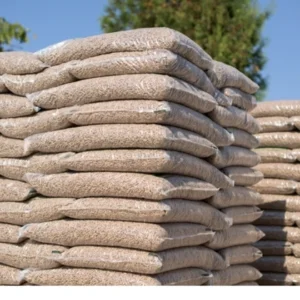
- 40 lb bags — standard stove size. Easy to carry. Fine for topping up.
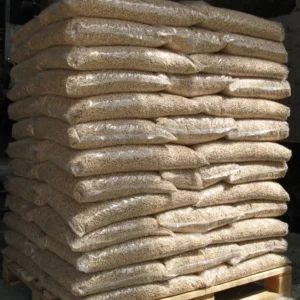
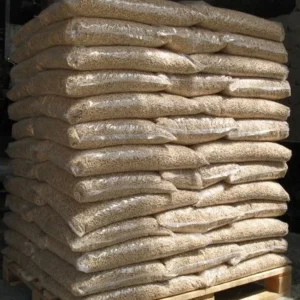
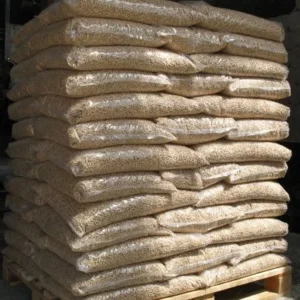
- 1-ton pallet — the first real bulk buy for a household.
- Tote bag — one-ton dump with less plastic if you can scoop cleanly.
- Truckload — shops, multi-stove sites, dealers.
If you are buying in bulk online in Canada, a specialist catalogue such as pelletwoodpellet.com sells hardwood and softwood heating pellets by the 1-ton pallet and by truckload, plus separate BBQ pellet pallets so stove fuel and grill fuel stay apart. Check live pricing; pallet specials on that shop have recently shown 1-ton heating loads well under typical walk-in retail.
How to choose a bag in the store (or on a product page)
- Confirm it says heating / fuel pellets, not grilling pellets.
- Read ash and moisture. No numbers = a gamble.
- Look at a bag in person if you can: tight seams, pellets that snap clean, little dust in the corner.
- Match species to what already burned well in your stove.
- Buy one bag or a small test lot before you commit a whole winter pallet to an unknown mill.
- Keep the receipt and the lot if the stove starts faulting.
Storage: the fuel fails if it gets wet
Pellets are dry wood. They act like a sponge.
- Keep bags indoors or in a tight shed.
- Off the concrete, on a pallet.
- Away from snowmelt, leaking roofs, and humidifier steam.
- Open one bag at a time.
- If a bag gets soaked, do not pour it in the hopper.
Wet pellets swell, crumble, and can stall the feed system.
Daily habits that make any fuel look better
- Empty the ash pan on the schedule the manual gives, not when it overflows.
- Scrape the burn pot so air holes stay open.
- Vacuum the heat exchanger and exhaust path as directed.
- Burn the stove hot enough, often enough. Chronic low smolder makes more creosote and lazy combustion.
- Use the grade the stove warranty names if the maker is strict.
A clean stove plus mediocre pellets still beats a dirty stove plus “premium” bags.
Fuel mistakes that cost money
- Buying the cheapest unlabelled skid because the price per bag looked low
- Storing pallets outside under a thin tarp
- Mixing BBQ pellets into the heating hopper
- Switching species every week so you never learn what the stove likes
- Waiting until January to buy bulk
Bottom line
Pellet stove fuel is graded biomass, not a mystery brown pellet. Buy dry, low-ash heating pellets in the size you can store, test a bag before you buy a ton, and keep the stack off the wet floor. For bulk stove fuel rather than a handful of grill bags, order a heating pallet from a pellet-first shop such as pelletwoodpellet.com and leave the flavour pellets for the smoker.
Seasoned Firewood
Hardwood Pellets
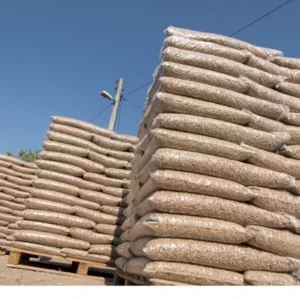
Hardwood Heating Pellets – Truckload 24 Tons Pallet of Wood Pellets
Hardwood Pellets
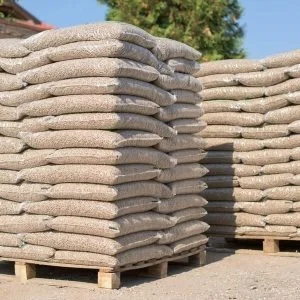
Hardwood Pellets
Softwood Pellets
Softwood Pellets
Softwood Pellets
Softwood Heating Pellets – Truckload 24 Tons Pallet of Wood Pellets
Dried Firewood