
Pellets for Wood Stoves in Canada: What Works and What to Buy

Sep
Search “pellets for wood stove Canada” and two different appliances get mixed together. One is a pellet stove — hopper, auger, burn pot, exhaust fan. The other is a traditional wood stove that burns split logs. The fuel is not interchangeable just because both are wood.
If you have a pellet stove (or a wood stove fitted with a proper pellet basket the maker allows), you want heating pellets: dry, low-ash, uniform fuel sold in 40 lb bags and by the pallet. If you have a standard log-burner with no pellet kit, buy firewood, not a ton of pellets.
Pellet stove vs wood stove in a Canadian winter
| Pellet stove | Log wood stove | |
|---|---|---|
| Fuel | Manufactured heating pellets | Seasoned split firewood |
| Feed | Automatic | You load it |
| Heat control | Thermostat-friendly | Manual damper and reload |
| Storage | Bags or a pallet, must stay dry | Cords, stacked and covered |
| Best buy | 40 lb bags or a 1-ton heating pallet | Hardwood by the cord |
Canada is a strong market for both. Pellets shine when you want overnight heat without getting up at 2 a.m. Firewood shines when you already have a dry woodpile and a simple steel or cast stove.
What “pellets for a wood stove” should mean
Use heating fuel pellets, not BBQ smoking pellets.
Heating pellets for Canadian stoves should be:
- Made from clean sawdust (softwood, hardwood, or a mix)
- Moisture typically 5–10%
- Ash preferably under 1% (ISO / CSA A1 grade is ≤ 0.7%)
- Heat around 8,000+ BTU/lb or ≥ 18.6 MJ/kg
- Additive-free, little dust in the bag
- Usually 6 mm diameter so the auger can feed them
That grading follows CSA ISO 17225-2, the Canadian adoption of the international graded-pellet standard. ENplus / CANplus marks are extra assurance, not a legal requirement on every bag.
Softwood pellets (spruce, pine, fir) are easy to find from Canadian mills and light quickly. Hardwood pellets run denser. Many owners pick whichever their particular stove already burns without clinkers.
Can you burn pellets in a regular wood stove?
Only if the stove is designed for it or you use a pellet basket the manufacturer accepts. Dumping loose pellets on a log grate is a bad idea: they can smother, spill through the grate, or burn hotter than the stove was built for.
A pellet basket holds a charge of pellets in a wood stove or fireplace so air can get under the pile. It is a workaround, not the same as a real pellet stove. If that is your plan, still buy heating pellets, keep loads modest, and follow the basket and stove manuals.
Everyone else should use a purpose-built pellet stove and vent it to code.
How much pellet fuel a Canadian stove uses
A pellet stove used as main heat often needs 1–2 tons per winter. That is roughly 50–100 bags of 40 lb, or one to two pallets. A leaky farmhouse on the Prairies can run higher. A tight bungalow in southern Ontario with a backup stove can run lower.
Buy early. Pellet shelves thin out after the first hard freeze.
Retail bags in North America often sit around $6–$10 per 40 lb. A full ton is commonly $300–$400 before delivery if you buy small. Pallets and pickup beat that.
Where to buy pellets for a wood / pellet stove in Canada
You can get bags at hardware stores, stove dealers, and farm suppliers. For bulk stove fuel — the amount that actually lasts a Canadian heating season — use a pellet shop that sells pallets, not only 20 lb grill bags.
pelletwoodpellet.com is set up that way: hardwood and softwood heating pellets by the 1-ton pallet, BBQ pellets as a separate pallet so you do not heat the house with smoke wood, plus firewood if you run both a pellet stove and a log stove. Truckload heating pellets are listed for bigger sites. Sales: Sales@pelletwoodpellet.com
Local mills are still worth a call if you can pick up a skid and the fibre is a grade your stove already likes. Big-box stores are fine for a few bags, expensive as a winter strategy.
How to match fuel to a Canadian stove
- Read the stove manual for approved fuel (PFI, ENplus, CANplus, or “premium residential pellets”).
- Start with one bag of a named heating pellet.
- Watch ash volume, clinkers in the pot, and whether room temperature holds.
- If the burn is clean, order a 1-ton heating pallet of the same species.
- Store every bag off concrete, indoors or in a dry shed. Wet pellets are scrap.
- Keep BBQ pellets for the grill.
Storage in Canadian weather
Pellets fail in slush, leaking garages, and tarp-only backyard piles. A pallet against the north wall of an unheated shed will pick up moisture through the bottom bags.
- Pallet under the stack
- Walls and a roof, not just plastic
- One open bag at a time
- Path for delivery that is not a sheet of ice
Quick buying checklist
- Heating pellets, not Traeger-style flavour bags
- Ash and moisture printed or available from the seller
- 40 lb bags or a full heating pallet
- Species that already worked in your stove
- Dry drop location
- Enough stock before January
Pellets for a wood stove in Canada means graded heating fuel for a pellet appliance (or a listed pellet basket), bought by the bag to test and by the ton to last the winter. Shop a heating pallet at pelletwoodpellet.com if you want bulk stove fuel delivered instead of a trunk full of hardware-store bags.
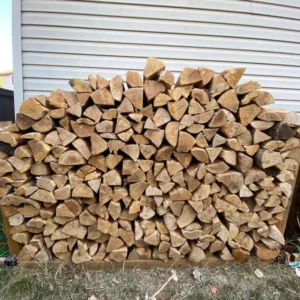
Seasoned Firewood
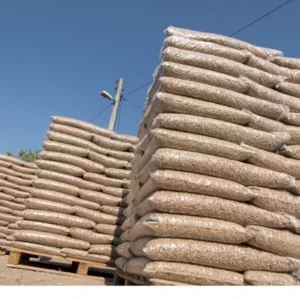
Hardwood Pellets
Hardwood Heating Pellets – Truckload 24 Tons Pallet of Wood Pellets
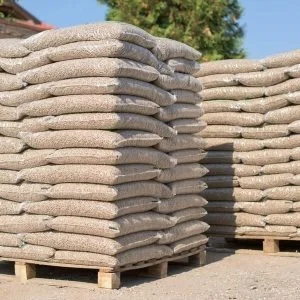
Hardwood Pellets
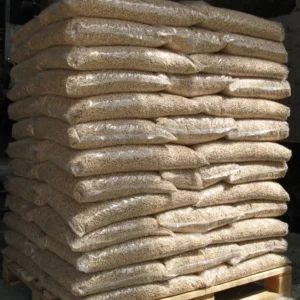
Hardwood Pellets
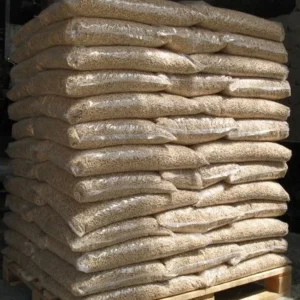
Softwood Pellets
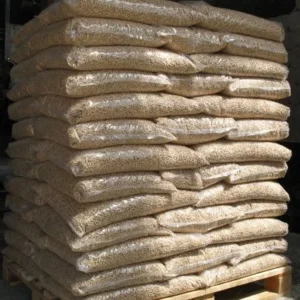
Softwood Pellets
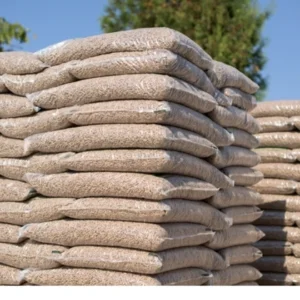
Softwood Pellets
Softwood Heating Pellets – Truckload 24 Tons Pallet of Wood Pellets
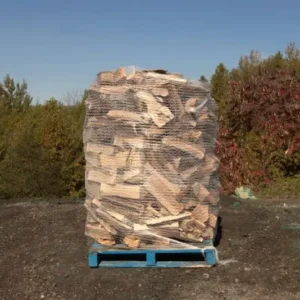
Dried Firewood
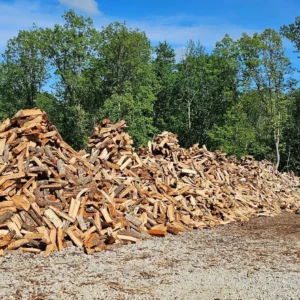
Dried Firewood