
Bulk Hardwood Pellets
Sep
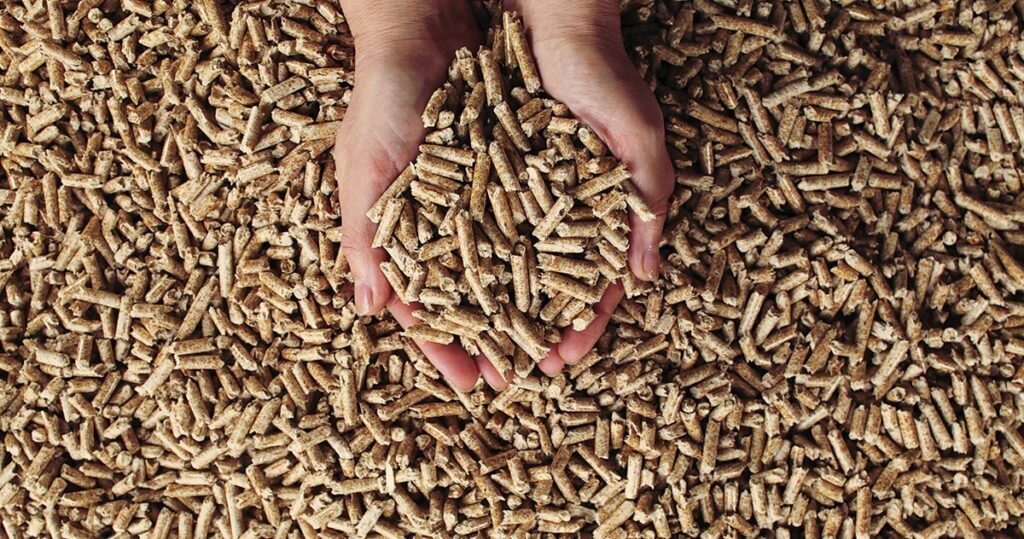
Pellet stove fuel is not firewood in a small bag. It is a manufactured fuel: dry sawdust compressed into uniform cylinders so an auger can feed it, a fan can burn it, and a thermostat can hold a room steady. If the pellets are wet, dirty, or full of fines, the stove does the opposite of what you bought it for.
When the cold weather rolls around, heating your home efficiently becomes your top priority with a Ton of Pellets. Buying fuel bag by bag is a hassle that drains your wallet. Making the decision to purchase a Ton of Pellets ensures that your wood stove stays stocked all winter long without constant trips to the store.
Financially, locking in your heating supply ahead of time shields you from seasonal price spikes. Instead of paying premium retail rates per bag, securing a full pallet stabilizes your winter budget. It is the ultimate combination of seasonal preparedness and smart home economics for any serious wood stove owner looking to maximize their heating efficiency.
The Financial Breakdown: Pallet Savings vs. Bag-by-Bag Costs
Let’s look at the numbers. A standard retail bag of wood stove fuel weighs forty pounds. A full 1 Ton of Pellets consists of exactly fifty of these bags stacked on a single pallet. When you purchase this volume at wholesale scale, retailers offer steep bulk discounts.
On average, buying a single Ton of Pellets reduces your total cost per pound by fifteen to twenty-five percent compared to buying individual bags weekly. Additionally, you cut out repeated transportation costs and sales taxes on multiple smaller transactions. For homeowners looking to optimize their home heating budgets, the upfront investment yields undeniable dividends across the winter.
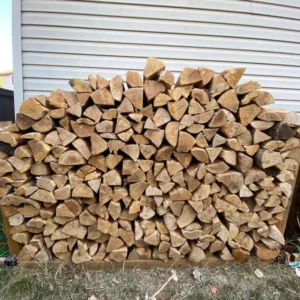
Seasoned Firewood
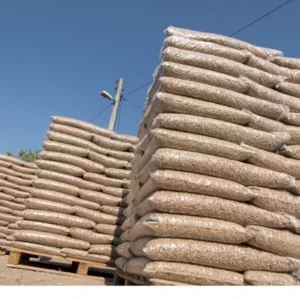
Hardwood Pellets
Hardwood Heating Pellets – Truckload 24 Tons Pallet of Wood Pellets
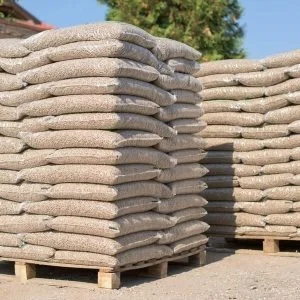
Hardwood Pellets
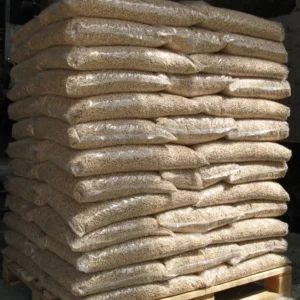
Hardwood Pellets
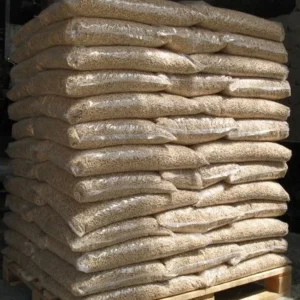
Softwood Pellets
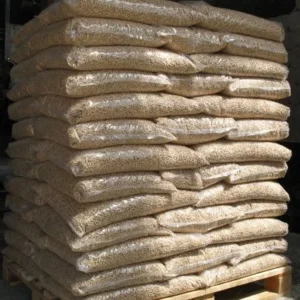
Softwood Pellets
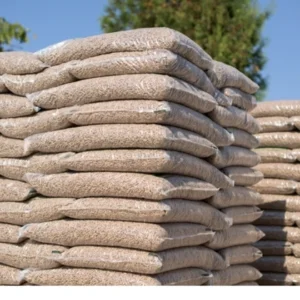
Softwood Pellets
Softwood Heating Pellets – Truckload 24 Tons Pallet of Wood Pellets
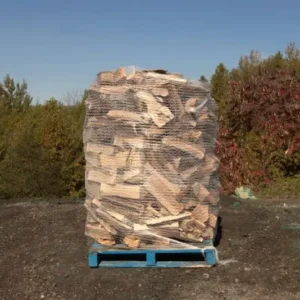
Dried Firewood
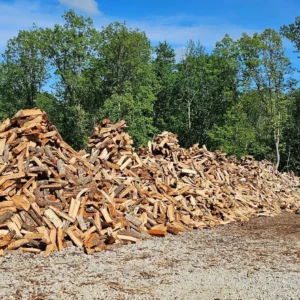
Dried Firewood